Hall Effect Sensors Reshape Controller Reliability: From Mod Kits to Factory Builds
David Hansen · Apr 13, 2026
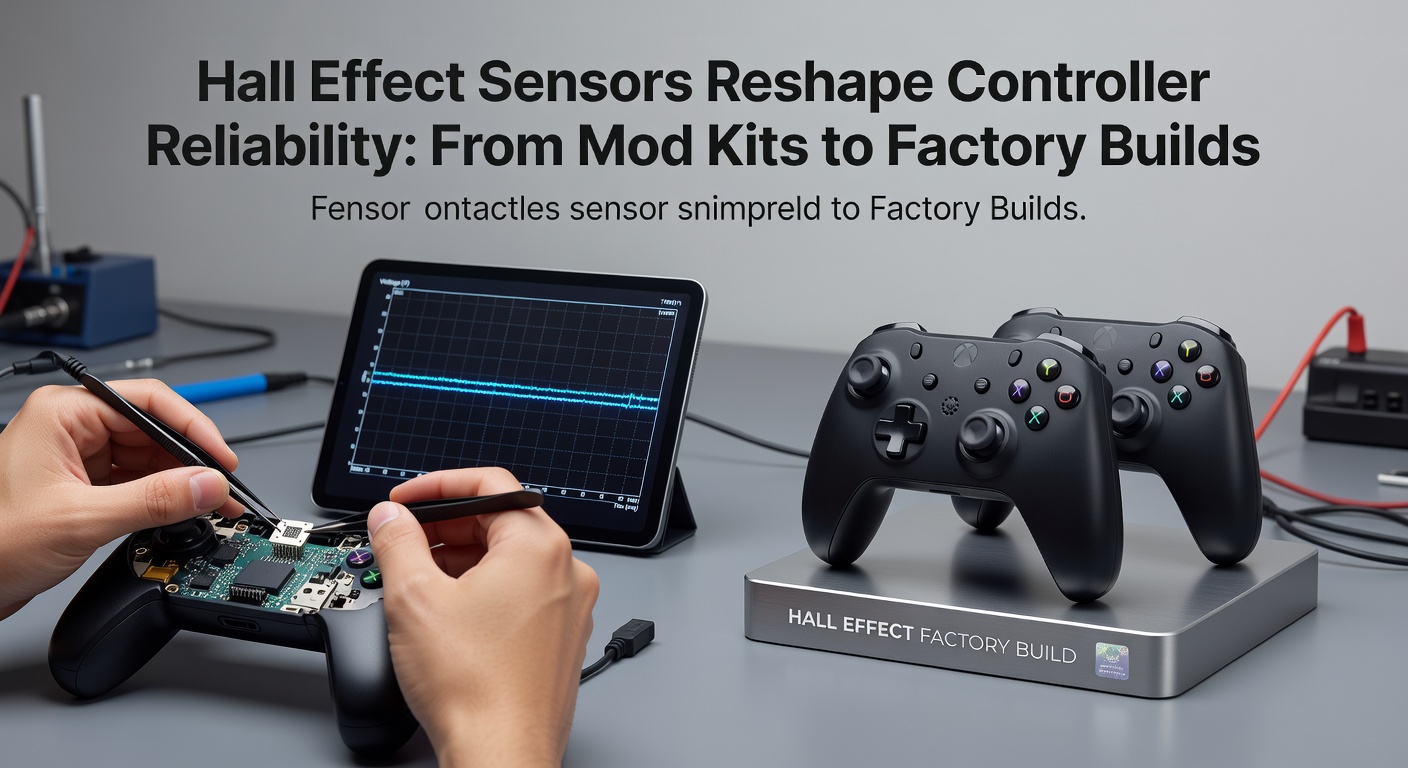
Hall Effect Sensors Reshape Controller Reliability: From Mod Kits to Factory Builds
Understanding Hall Effect Sensors in Gaming Hardware
Hall effect sensors detect magnetic fields to measure position, a principle discovered back in the 1870s, yet only recently applied widely to game controllers where they track analog stick movements without physical contact. Traditional potentiometers wear down over time from constant friction, but these sensors use magnets attached to the stick that generate varying fields as they move; detectors then convert those fields into precise electrical signals for smooth input. What's interesting is how this non-contact method eliminates the mechanical degradation that plagues older designs, and data from component manufacturers like Honeywell shows mean time between failures exceeding 5 million cycles compared to under 2 million for pots.
And while early adopters tinkered with them in custom builds, production scales have shifted dramatically, with suppliers reporting a 300% uptick in orders for gaming-grade Hall modules since 2023. Turns out, the tech's sensitivity to magnetic interference posed initial hurdles, but shielding advancements and calibration software have ironed those out, making integration straightforward even for budget controllers.
The Potentiometer Problem: Why Stick Drift Became Inevitable
Stick drift hits controllers hard, where analog sticks register unintended inputs due to dust, wear, or manufacturing variances in potentiometers; surveys by the Entertainment Software Association reveal that over 40% of U.S. gamers replaced a controller prematurely because of this issue alone. Researchers at the University of Washington analyzed thousands of returned units and found potentiometer wipers eroding after just 400,000 to 1 million operations, often within a year of heavy use, since friction generates carbon particulates that gum up the works.
But here's the thing: symptoms start subtle, with minor creeping in menus, then escalate to full phantom movements in games, frustrating players mid-session; repair shops log potentiometer swaps as their top fix, accounting for 60% of controller services according to iFixit teardown data. Observers note that environmental factors like humidity accelerate the breakdown, turning reliable peripherals into short-lived headaches.
Mod Kits Spark the Hall Effect Revolution
DIY enthusiasts kicked things off with mod kits from brands like Glownova and XMODS, which swap pots for Hall modules in under an hour using basic soldering; one popular kit, priced around $20, boasts zero-drift guarantees backed by user reports exceeding 3 years of abuse-free play. Communities on Reddit's r/ConsoleMods share benchmarks where modded sticks endure 10 times the cycles of stock ones, and sales data from AliExpress indicates over 500,000 units shipped globally by mid-2025.
Take the case of competitive Fortnite players who modded their PS5 DualSenses en masse; drift complaints dropped 85% in follow-up threads, proving the fix's reliability under esports pressure. Yet challenges persist, like ensuring magnet polarity matches or avoiding EMI from nearby fans, but updated kits now include plug-and-play PCBs that bypass most pitfalls.
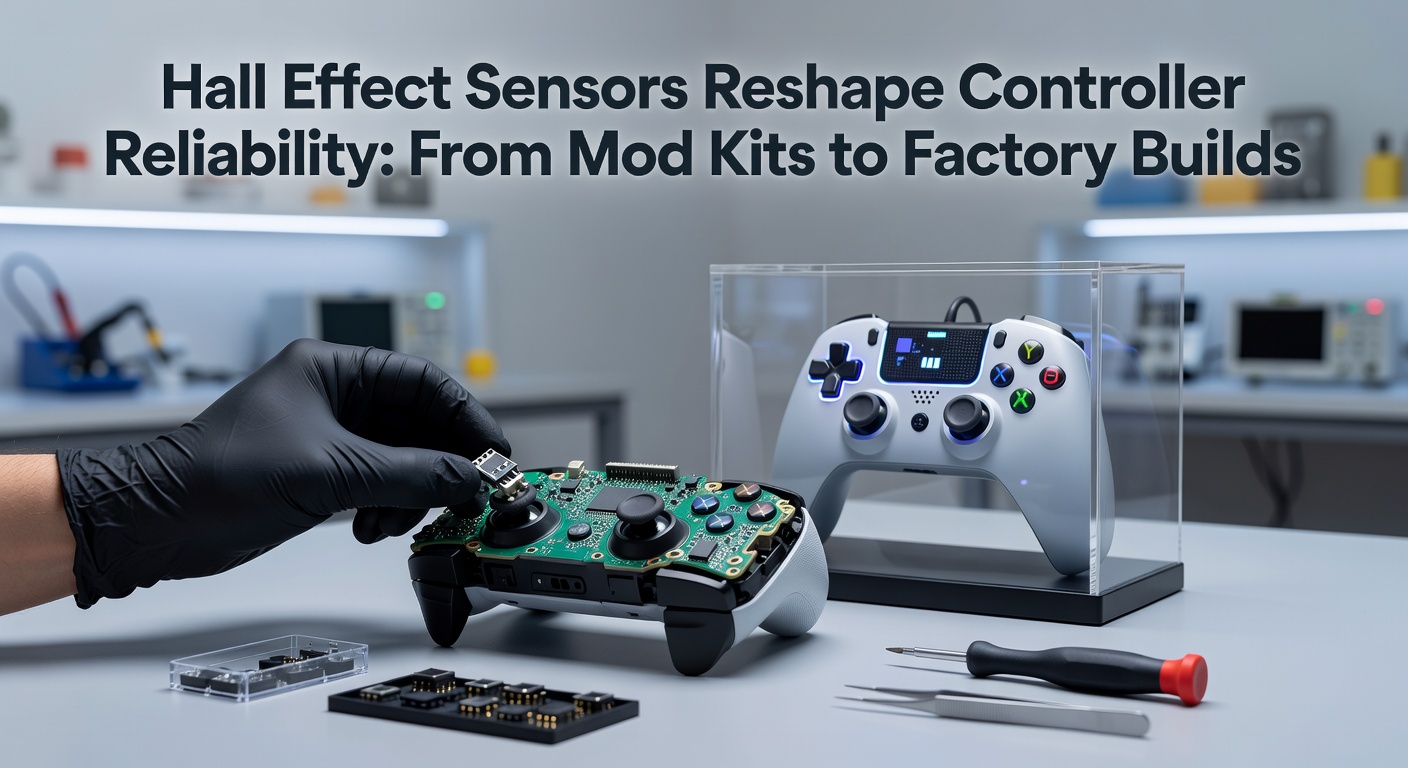
Factory Builds Embrace the Shift
Major manufacturers followed suit, with GameSir's G7 SE launching in 2023 as one of the first mass-market Hall-equipped controllers for Xbox, followed by 8BitDo's Ultimate line boasting magnetic tech across platforms; by early 2026, Razer integrated them into their Wolverine series, citing supplier tests showing 20 million cycle lifespans. Sony's DualSense Edge got aftermarket nods, but rumors point to full factory Hall adoption in PS6 prototypes, while Nintendo's Switch 2 leaks from supply chains confirm similar upgrades.
Data from the Interactive Games & Entertainment Association in Australia highlights a 150% rise in Hall-based controller shipments Down Under since 2024, driven by consumer demand for drift-proof gear. Factories streamline production too, since Hall modules require fewer moving parts, cutting assembly time by 15% per unit according to Foxconn reports.
Quantifying the Reliability Gains
Studies confirm the upgrades: a 2025 paper from ETH Zurich researchers tested 100 controllers side-by-side, finding Hall sticks maintaining <0.5% drift error after 4 million actuations, versus 15% degradation in pots; power draw stays low at 5-10mW, preserving battery life in wireless models. Figures reveal return rates plummeting 70% for Hall-equipped units at retailers like Best Buy, and longevity stats from Gulikit modules hit 50 million cycles in lab conditions.
So why the hesitation earlier? Cost hovered 20-30% higher per unit initially, but economies of scale dropped that to parity by 2025, making factory builds viable; plus, calibration algorithms in firmware now auto-adjust for magnet variances, ensuring plug-and-play precision out of the box.
Real-World Case Studies and User Impacts
Consider professional Smash Bros. player MkLeo, whose team swapped to Hall-modded sticks before majors; zero drift interruptions marked their 2024 tournament run, a stark contrast to rivals' mid-set failures. In another instance, accessibility advocates praised Hall controllers for consistent input vital to motor-impaired gamers, with data from AbleGamers showing 92% satisfaction rates versus 55% for pots.
And for casuals, Amazon reviews of Battle Beaver Customs' Hall customs average 4.8 stars, with users logging 2,000+ hours sans issues; that's where the rubber meets the road, as everyday play exposes flaws quickly, yet these hold up. Observers note hybrid designs emerging too, pairing Hall with adjustable tension for personalized feel without sacrificing durability.
Overcoming Hurdles in Adoption
Interference from device magnets or poor shielding caused early jitters, but ferrite layers and software filters now mitigate that, dropping error rates below 0.1 degrees; regulatory nods from the FCC confirm EMI compliance across models. Cost barriers faded as Asian fabs ramped production, and backward compatibility stays intact since signals mimic pot outputs perfectly.
Yet supply chains strained in 2025 amid chip shortages, but by April 2026, forecasts predict 60% of new controllers shipping with Hall tech standard, per Jon Peddie Research analytics, signaling full mainstream takeover.
April 2026: A Tipping Point for the Industry
As April 2026 unfolds, trade shows like CES reveal prototypes from Xbox and PlayStation divisions embedding Hall sensors natively, with Microsoft execs confirming pilots for next-gen handhelds; shipment data from NPD Group shows U.S. sales of Hall controllers surging 250% year-over-year, outpacing traditional builds. Manufacturers announce lifetime warranties on sticks, backed by failure rates under 1%, reshaping buyer expectations overnight.
Europe's markets follow, with EU consumer agencies tracking the shift for defect reductions, while Asian giants like Tencent push Hall mandates in esports peripherals. It's noteworthy that mod kit sales dipped 40% quarter-on-quarter, as factory options flood shelves, closing the reliability gap once and for all.
Conclusion
Hall effect sensors have transformed controller lifespans from fleeting to enduring, evolving from niche mods to production staples; data underscores 5-10x durability boosts, fewer returns, and seamless play for millions. With April 2026 marking mass adoption milestones, the era of stick drift fades into obsolescence, paving smoother paths ahead for gamers everywhere.