Advanced Power Systems Enable Consistent PC Performance During Extended RV Journeys
David Hansen · Sep 11, 2026
Advanced Power Systems Enable Consistent PC Performance During Extended RV Journeys
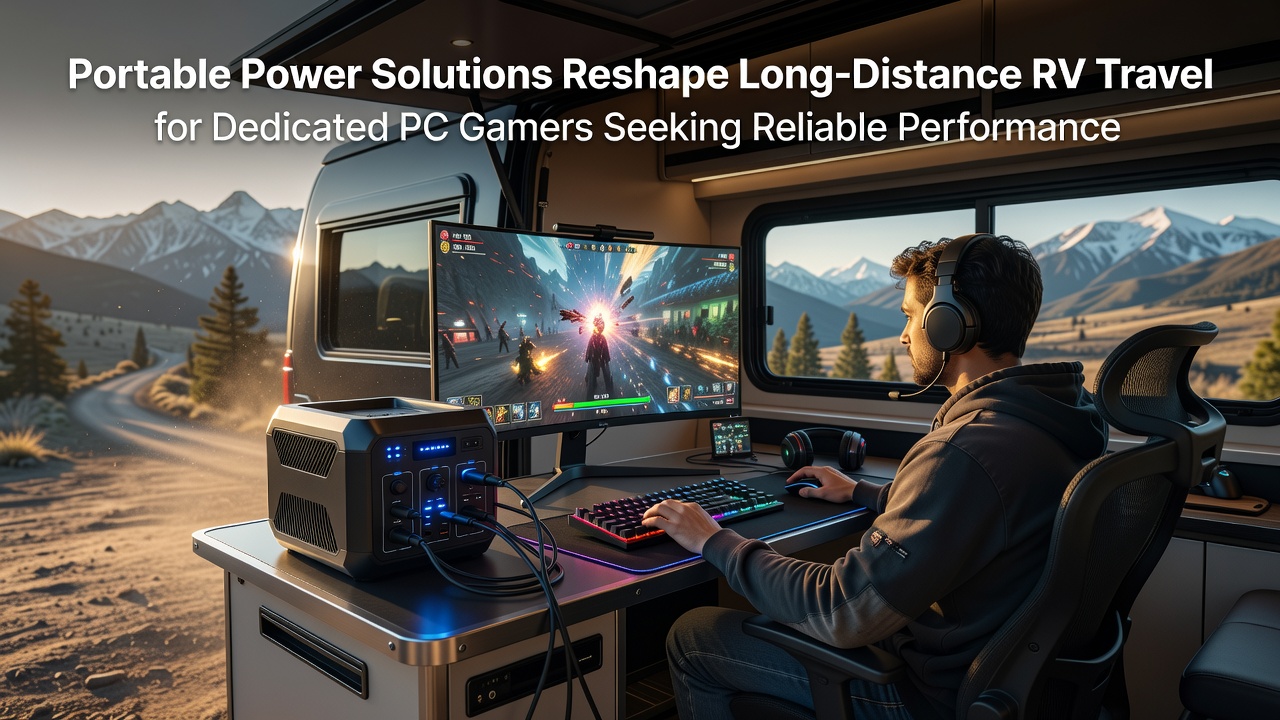
Portable power solutions have gained traction among travelers who combine recreational vehicle trips with high-end PC gaming setups, and observers note several key developments that address the unique demands of long-distance routes. Data from industry reports indicate that power stations with capacities exceeding 2000 watt-hours now pair with solar arrays and efficient inverters to maintain stable output for graphics-intensive applications while vehicles remain off-grid for days or weeks at a time.
Core Components Driving Reliability
Modern lithium iron phosphate batteries form the foundation of these systems because they deliver consistent voltage across extended discharge cycles and tolerate temperature fluctuations common during travel through varied climates. Inverters convert stored direct current into alternating current that matches the requirements of desktop power supplies, while maximum power point tracking controllers optimize solar input even when panels sit at suboptimal angles on RV roofs. Those who have tested multiple configurations report that modular designs allow users to scale capacity by adding battery packs without replacing entire units, and this flexibility proves useful on routes where resupply points remain sparse.
Integration With Gaming Hardware
Power management software now interfaces directly with gaming rigs to throttle non-essential processes during peak loads, which helps extend runtime when sunlight proves limited. Researchers at several technical institutes have measured how undervolting graphics cards combined with efficient power delivery units reduces overall draw by measurable percentages, allowing sessions to continue uninterrupted. External links to performance data from organizations such as the International Energy Agency and university labs in Canada highlight efficiency gains achieved through these optimizations across different hardware generations.
Real-World Deployment Patterns Observed in 2026
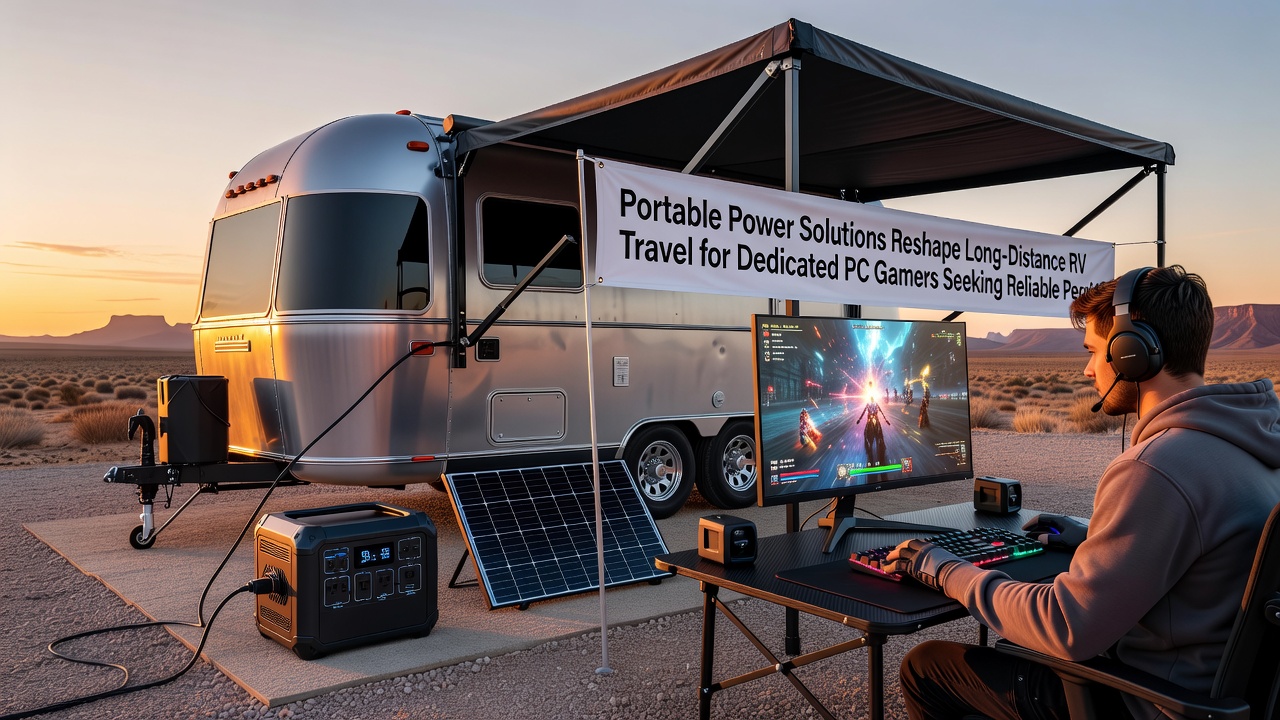
Figures released in September 2026 by market analysts showed increased adoption rates among full-time travelers who log thousands of miles annually, with many opting for hybrid setups that combine wall charging at campgrounds and solar replenishment during daytime stops. Case studies from operators in the southwestern United States and parts of Australia demonstrate how 300-watt portable panels connected to 3000-watt-hour stations sustain 1440p gaming at high refresh rates for four to six hours daily, even when ambient temperatures exceed typical operating ranges. People who integrate these components often discover that monitoring apps provide real-time alerts when battery reserves drop below preset thresholds, enabling proactive adjustments before performance dips occur.
Comparative Data Across System Types
Tests conducted by independent labs reveal that sealed lead-acid alternatives lag behind lithium options in both weight and cycle life, making the latter preferable for vehicles already carrying substantial cargo. Capacity retention rates above 80 percent after 3000 cycles appear routinely in manufacturer specifications for newer models, whereas older technologies require more frequent replacements. Those who track usage patterns across multiple seasons note that combining two smaller stations in parallel yields better fault tolerance than relying on a single large unit, since a failure in one does not halt all operations.
Regulatory and Infrastructure Considerations
Standards from bodies such as the European Committee for Electrotechnical Standardization influence safety certifications that appear on many imported units sold in North American markets, ensuring protections against overcurrent and thermal runaway remain consistent. Campground operators in several regions have begun installing dedicated high-amperage outlets to accommodate faster recharging of larger banks, reducing downtime between travel segments. Evidence from field reports compiled by trade groups indicates that compliance with these evolving guidelines correlates with fewer incidents during prolonged off-grid stays.
Conclusion
Portable power solutions continue to adapt to the specific requirements of PC gamers who choose extended RV travel, supported by measurable improvements in battery chemistry, inverter efficiency, and software integration. Ongoing data collection from multiple geographic areas provides clearer benchmarks for system sizing and component selection, helping travelers maintain reliable performance regardless of location or duration.