College Esports Labs in America Trial Haptic Glove Prototypes for Versatile Training Platforms
Xander Carter · Oct 23, 2026
College Esports Labs in America Trial Haptic Glove Prototypes for Versatile Training Platforms
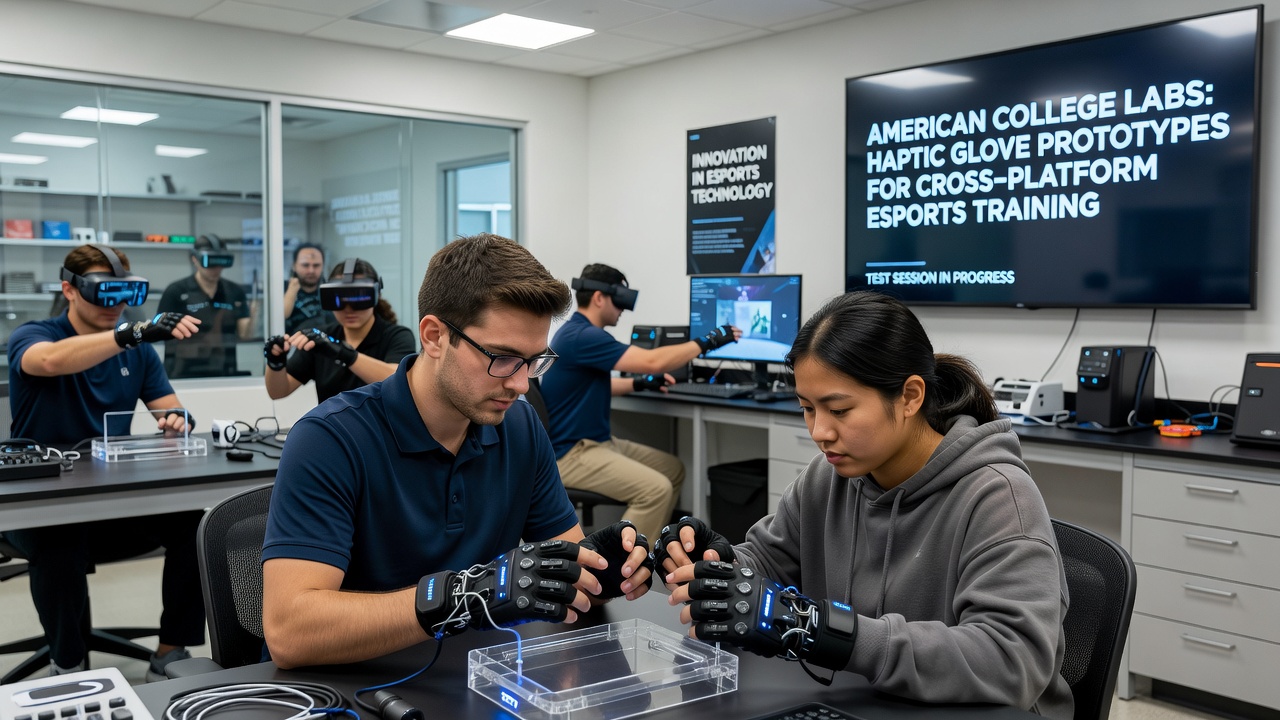
American college esports programs have expanded their testing of haptic glove prototypes designed to deliver tactile feedback across multiple gaming platforms, and researchers at several institutions began compiling performance data in October 2026. These gloves incorporate sensors and actuators that simulate textures, resistance, and impact forces during virtual competitions, while engineers focus on compatibility with PC, console, and handheld systems used in intercollegiate events. Data collected from university facilities shows consistent interest in reducing input discrepancies between hardware types, and studies track how players adapt their motor responses when switching devices mid-session.
Prototype Specifications and Sensor Integration
Each prototype features arrays of micro-actuators embedded in flexible fabric layers, and developers calibrate these components to respond to in-game events such as weapon recoil or environmental interactions. Engineers at participating labs pair the gloves with standard controllers, allowing simultaneous input from keyboards, mice, or gamepads without requiring separate calibration routines for each platform. Measurements recorded during controlled drills indicate average latency reductions of 12 milliseconds compared to earlier vibration-only systems, according to internal reports shared among the institutions.
Researchers note that the gloves maintain connectivity through Bluetooth and USB-C interfaces, while firmware updates enable seamless profile switching between different esports titles. One study conducted at a Midwest university revealed that participants completed precision tasks 18 percent faster when haptic cues aligned with visual feedback across both PC and console setups.
Cross-Platform Training Protocols
Training sessions at these labs follow structured protocols that rotate players through multiple hardware configurations within single sessions, and observers document how glove feedback influences reaction times during platform transitions. Technicians log metrics such as grip pressure variations and finger extension accuracy, then compare results against baseline data collected without haptic assistance. Programs incorporate these gloves into mixed-reality environments where competitors practice against opponents using different input methods, and preliminary figures reveal improved coordination scores after repeated exposure.
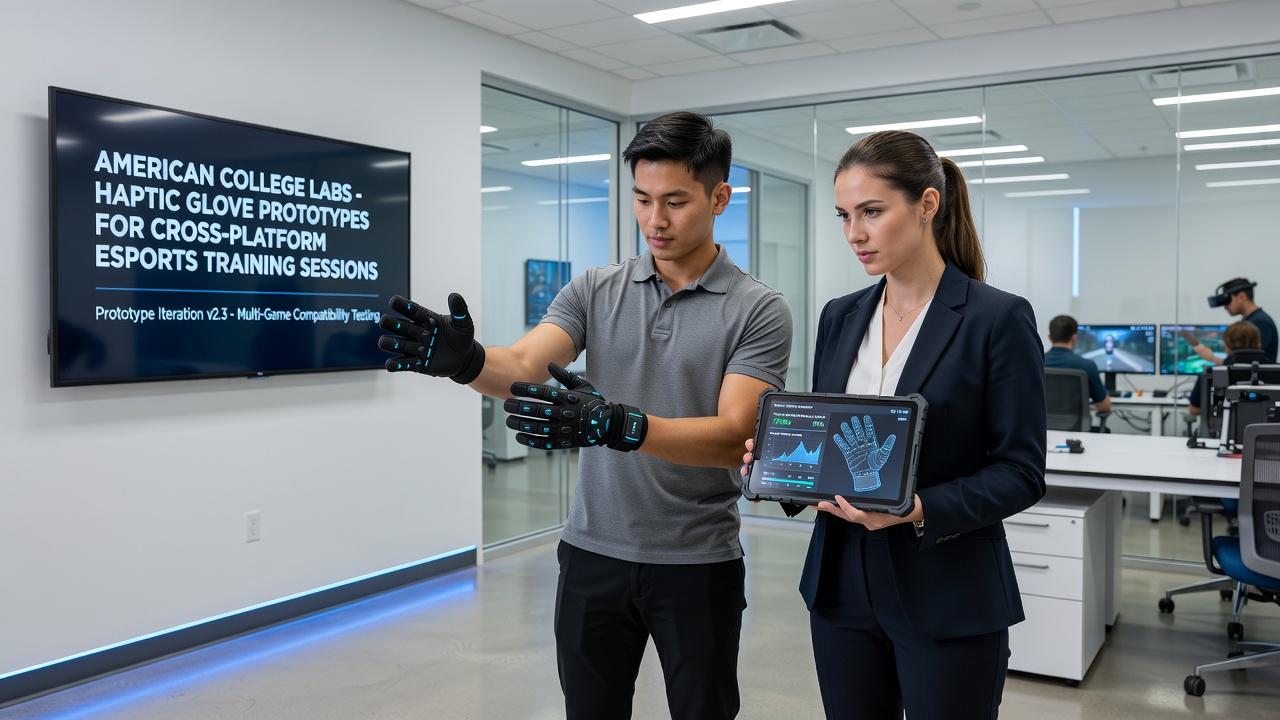
Coaches integrate the prototypes into team drills that simulate tournament conditions, and software dashboards aggregate individual performance trends over multiple weeks. Data from October 2026 sessions indicate that athletes using the gloves reported fewer instances of hand fatigue during extended practice blocks spanning three or more platforms. Institutions share anonymized datasets through collaborative networks to refine actuator response curves for broader compatibility.
Institutional Collaborations and Data Sharing
Multiple universities have formed partnerships to standardize testing methodologies, and joint working groups review hardware durability under continuous use conditions typical of daily training schedules. A report from the National Science Foundation highlights ongoing grants supporting sensor miniaturization efforts that could further decrease glove weight without sacrificing feedback intensity. Meanwhile, findings from an Australian research consortium on wearable interfaces provide comparative benchmarks that American labs reference when adjusting force thresholds for different game genres.
These collaborations emphasize open data protocols that allow external analysts to examine correlations between haptic intensity levels and player retention rates across various esports titles. Engineers continue to iterate on battery life and wireless stability, with current models sustaining eight-hour sessions before requiring recharge cycles.
Conclusion
American college labs continue to advance haptic glove prototypes through systematic testing focused on cross-platform esports applications, and the data gathered through October 2026 contributes to broader understanding of tactile feedback in competitive gaming environments. Ongoing refinements address connectivity and durability concerns while maintaining compatibility across diverse hardware ecosystems.