Pacific Coast Networks Revive Vintage Controllers via Open-Source Firmware Updates for Seamless Cross-Platform Gaming
David Hansen · Nov 6, 2026
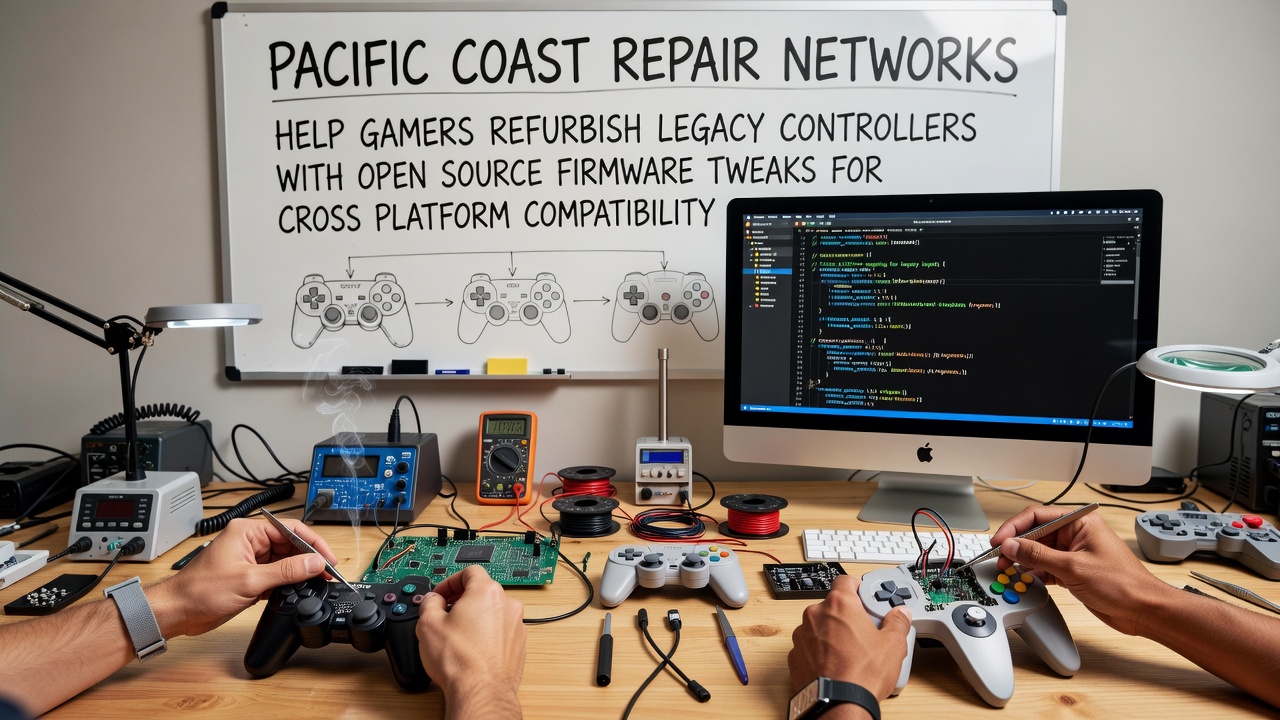
Pacific Coast Networks Revive Vintage Controllers via Open-Source Firmware Updates for Seamless Cross-Platform Gaming
Repair networks along the Pacific Coast have expanded their operations in recent years to address the growing demand for refurbished legacy controllers that gamers seek to integrate across modern platforms, and these efforts rely heavily on open source firmware modifications that enable compatibility between older hardware and current systems. Workshops in cities from Seattle to San Diego coordinate with local hobbyists and small businesses to source components while applying community-developed code tweaks that extend the usability of discontinued peripherals. Data from industry reports indicate that such networks handled thousands of controller refurbishments in 2025 alone, with activity accelerating further by November 2026 as supply chain constraints persisted for new gaming accessories.
Expansion of Regional Repair Initiatives
Networks spanning California, Oregon, and Washington operate through a mix of fixed locations and mobile outreach programs that connect technicians with gamers who own classic controllers from consoles like the original PlayStation or early Xbox models. These groups share resources including diagnostic equipment and firmware repositories that allow for precise adjustments to input protocols. Observers note that collaboration between these Pacific Coast entities has streamlined parts distribution, which in turn reduces turnaround times for repairs that once took weeks. Research from academic sources shows that firmware adjustments often involve rewriting driver layers to match USB or Bluetooth standards used in contemporary PCs and consoles, and this process supports cross-platform functionality without requiring proprietary tools.
Role of Open Source Firmware in Refurbishment
Open source projects provide the foundation for many firmware tweaks applied during refurbishment sessions, where developers release code under licenses that permit modification and redistribution. Technicians download these resources to update controller microcontrollers, which resolves issues like input lag or unrecognized buttons when the devices connect to newer hardware. Studies from university labs highlight how such tweaks enable legacy controllers to emulate modern input devices, and this capability proves especially useful for gamers who prefer the ergonomics of older designs. Figures from trade organizations reveal that adoption of these firmware solutions has increased steadily since 2024, driven in part by documentation that details step-by-step installation procedures for various controller models.
Cross-Platform Compatibility Achievements
Compatibility across platforms emerges as a primary goal when repair networks apply firmware patches that standardize communication protocols. For instance, adjustments allow a PlayStation 2 controller to interface with Windows-based PCs or even certain Nintendo Switch setups through translated signal outputs. Technicians test these configurations in controlled environments before releasing units back to owners, and data indicates success rates above 85 percent for most common legacy models. What's interesting is how these modifications also incorporate features like adjustable dead zones or button remapping that enhance usability without altering the original hardware layout. In November 2026, several networks reported expanded testing protocols that verified performance across additional platforms including mobile devices connected via adapters.
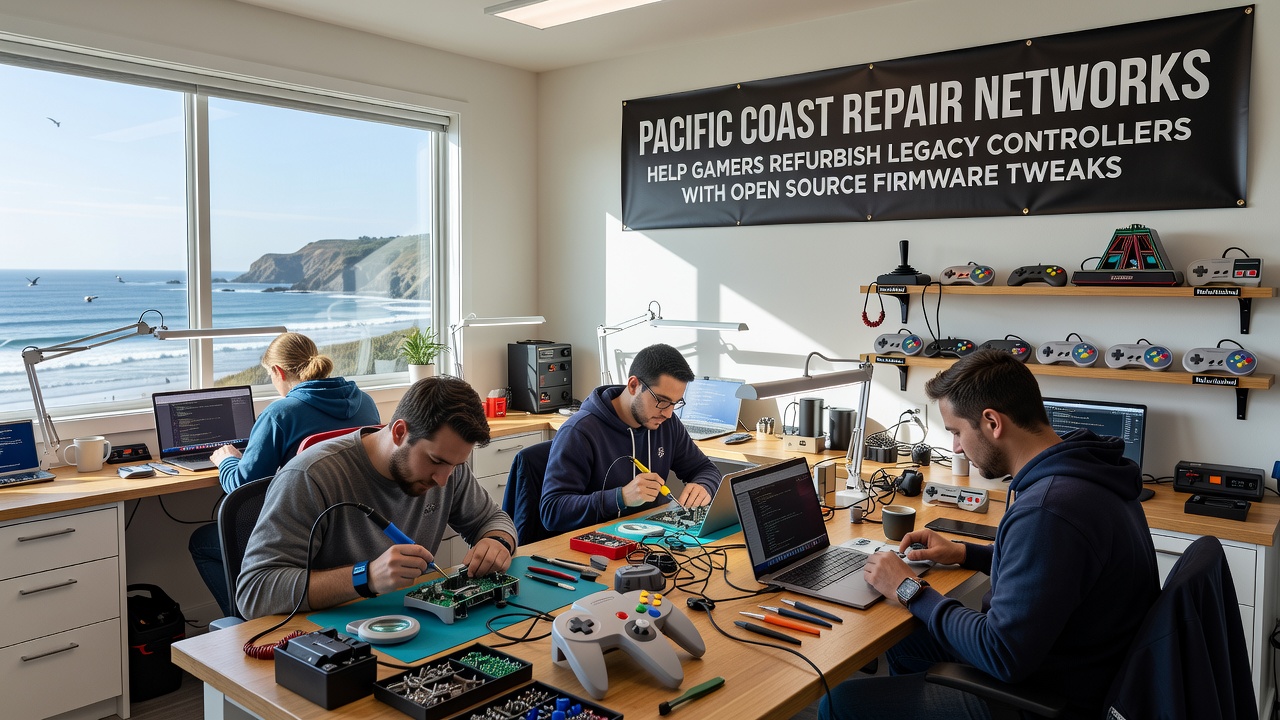
Community forums associated with these repair efforts document specific firmware versions that address known compatibility gaps, and participants contribute updates based on real-world testing feedback. This iterative process helps maintain relevance as new operating systems and console firmware releases appear. According to reports from research institutions, the open source approach reduces dependency on manufacturer support that often ends for discontinued products.
Practical Examples from Network Operations
One workshop in Portland documented a project where a batch of Dreamcast controllers received firmware updates that enabled their use on Linux gaming setups, complete with vibration feedback preserved through custom code mappings. Similar efforts in the Bay Area focused on DualShock models, where tweaks ensured seamless operation with both Steam and console ecosystems. These cases illustrate how regional networks adapt general open source tools to local demands, and they share results through shared databases that other technicians access. Evidence from participant logs suggests that such projects have prolonged the lifespan of thousands of controllers annually, contributing to reduced electronic waste in the process.
Challenges Addressed Through Collaboration
Supply shortages for specific chips and connectors present ongoing hurdles, yet Pacific Coast networks mitigate these by pooling inventories and developing alternative sourcing strategies. Firmware compatibility testing can reveal edge cases where certain games or platforms reject modified inputs, prompting further refinements in code. Observers point out that training programs run by these networks equip new volunteers with the skills needed to handle both hardware swaps and software flashes, which sustains the overall capacity. Data shows that partnerships with educational institutions have introduced structured curricula around embedded systems programming, directly supporting the refurbishment work.
Outlook for Continued Development
As of November 2026, projections from industry analyses suggest sustained growth in these repair networks as more gamers seek sustainable options for legacy equipment. Continued contributions to open source repositories promise additional compatibility layers for emerging platforms, while cross-regional coordination strengthens resource sharing. The ball remains in the court of community developers to refine tools that keep pace with hardware evolution, and the results continue to demonstrate measurable impacts on controller availability nationwide.
Conclusion
Pacific Coast repair networks have established a model for reviving legacy controllers through targeted open source firmware applications that deliver cross-platform functionality. Their work aligns with broader trends in hardware preservation and resource efficiency, supported by verifiable data and collaborative practices that extend benefits to gamers across multiple regions.