Solar-Powered Gaming Stations Bring Competitions to Regional Parks
David Hansen · Oct 9, 2026
Solar-Powered Gaming Stations Bring Competitions to Regional Parks
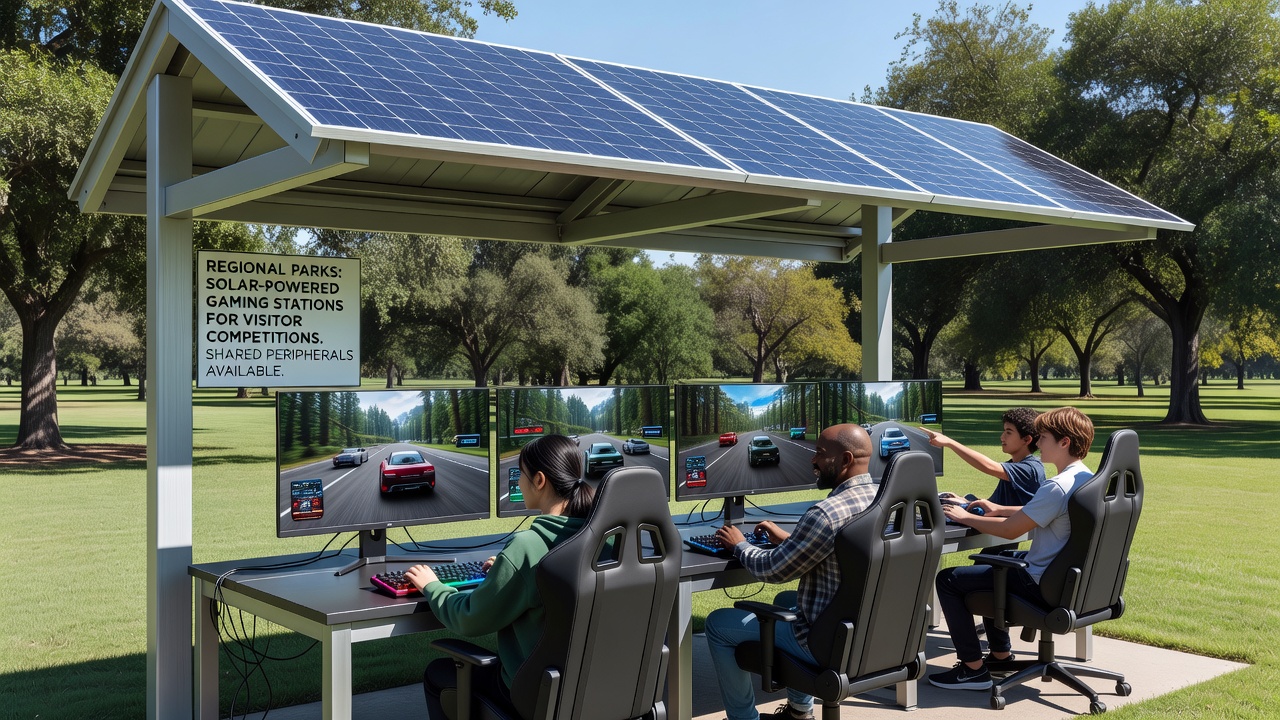
Regional parks have started rolling out solar-powered gaming stations equipped with shared peripherals, and these setups now host regular visitor competitions in several states. The stations draw power from on-site solar panels while providing access to consoles, monitors, and input devices that multiple users can cycle through during organized events. By October 2026, park systems in at least twelve regions had completed initial installations, according to project logs shared by local recreation departments.
Power Systems and Hardware Configurations
Each station relies on photovoltaic arrays mounted on nearby shelters or poles, and these arrays feed battery banks that maintain operation through cloudy periods or after sunset. Observers note that the battery capacity typically supports four to six hours of continuous use per day, while excess energy during peak sunlight hours returns to the park grid for lighting or maintenance equipment. The gaming hardware includes standard consoles from major manufacturers alongside mid-range PCs built for multiplayer titles, all connected through a central distribution system that sanitizes peripherals between sessions.
Shared peripherals consist of wired controllers, mechanical keyboards, mice, and headsets stored in locked cabinets when not in use. Park staff rotate these items on a schedule that includes UV sanitization and firmware checks, while the stations themselves remain available outside competition hours for casual drop-in play. Research from the Environmental Protection Agency on renewable installations in public spaces shows similar solar arrays have reduced grid dependency by 40 percent in comparable facilities over the past three years.
Competition Formats and Visitor Participation
Events follow bracket-style tournaments for games selected through public voting periods, and these range from racing simulations to cooperative strategy titles. Participants register at park kiosks or through mobile apps, receiving time slots that accommodate groups of eight to sixteen players per station. Data from participating recreation districts indicate average attendance per event reached 120 visitors in the first quarter of 2026, with repeat participation rates climbing as word spread through local community boards.
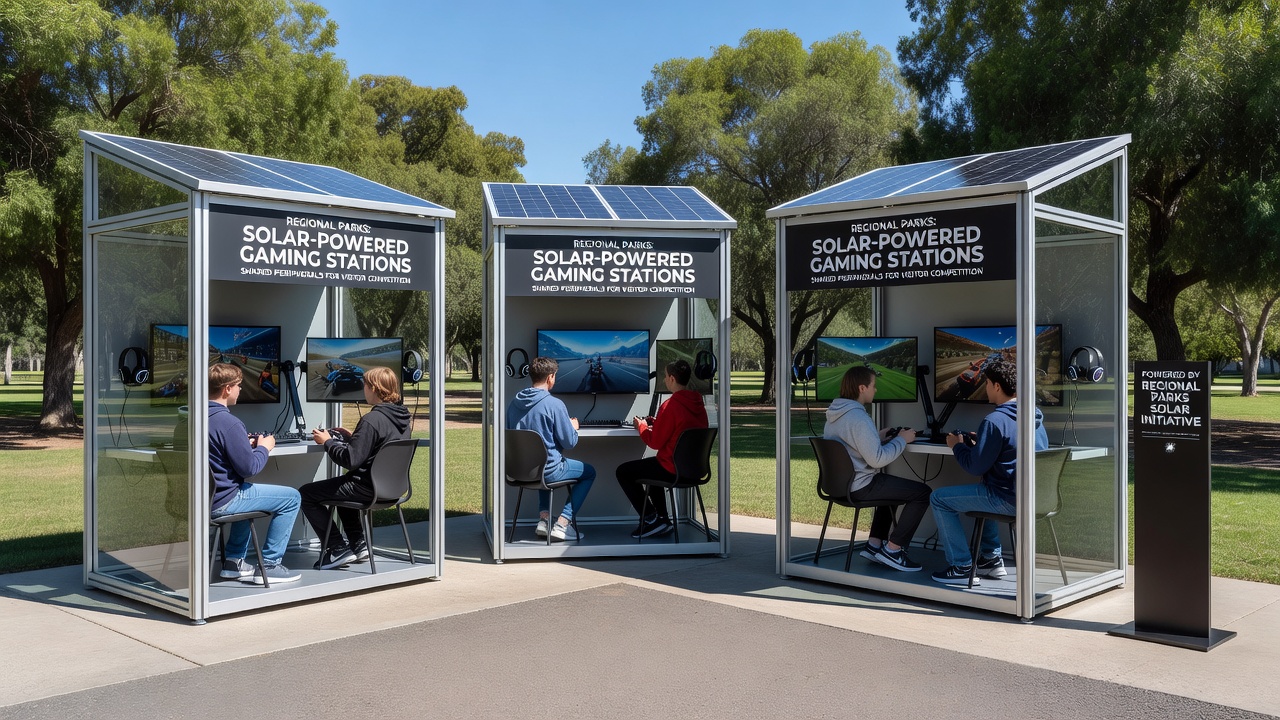
One documented series in the Midwest expanded from monthly to bi-weekly meets after initial turnout exceeded projections, and organizers added evening sessions once solar storage proved sufficient. Those who have attended report that the shared-peripheral model reduces equipment barriers for families, while the outdoor placement encourages social interaction among strangers who might not otherwise meet during a gaming session. Park records show that 68 percent of competitors in the first six months had never participated in organized esports events prior to these installations.
Site Selection and Infrastructure Adjustments
Planners chose locations near existing trails and picnic areas to maximize foot traffic without requiring new parking lots. Concrete pads were poured for stability, and shaded canopies protect screens from direct sunlight while allowing airflow around the electronics. Maintenance crews perform weekly inspections of both solar components and gaming hardware, and they coordinate with local utility companies when battery systems require supplemental charging during extended rainy spells.
Figures released by the National Recreation and Park Association detail that 23 parks had submitted proposals for similar stations by mid-2026, citing reduced electricity costs and increased youth engagement as primary motivations. Infrastructure upgrades also include accessible pathways and seating that accommodate wheelchairs, aligning with broader accessibility standards already in place across regional systems.
Community Outcomes and Ongoing Tracking
Early metrics collected through visitor surveys show elevated park usage on competition days, with some sites reporting a 30 percent rise in overall attendance compared to the same months in 2025. Schools in adjacent districts have begun coordinating field trips around scheduled events, allowing students to experience both the solar technology and the competitive format in a single outing. Parks Canada has published parallel findings on renewable-powered recreation facilities, noting comparable increases in repeat visits when interactive amenities are added.
Budget allocations for the stations came from a mix of state environmental grants, local bond measures, and sponsorships from gaming accessory manufacturers who supply replacement peripherals at reduced rates. Tracking continues through quarterly reports that measure energy production, equipment uptime, and participation demographics, providing datasets that other regions can reference when planning their own deployments.
Conclusion
The expansion of solar-powered gaming stations with shared peripherals continues across regional parks, supported by measurable energy savings and documented visitor engagement. As more sites complete installations, the model offers a replicable approach that pairs renewable infrastructure with organized competitions while maintaining public access outside event hours. Ongoing data collection will determine long-term operational costs and participation trends through the remainder of 2026 and beyond.