Southern Universities Blend Fitness Tracking Data with Esports Training Software for Performance Analysis
David Hansen · Nov 20, 2026
Southern Universities Fuse Fitness Wearable Data with Esports Analytics Software
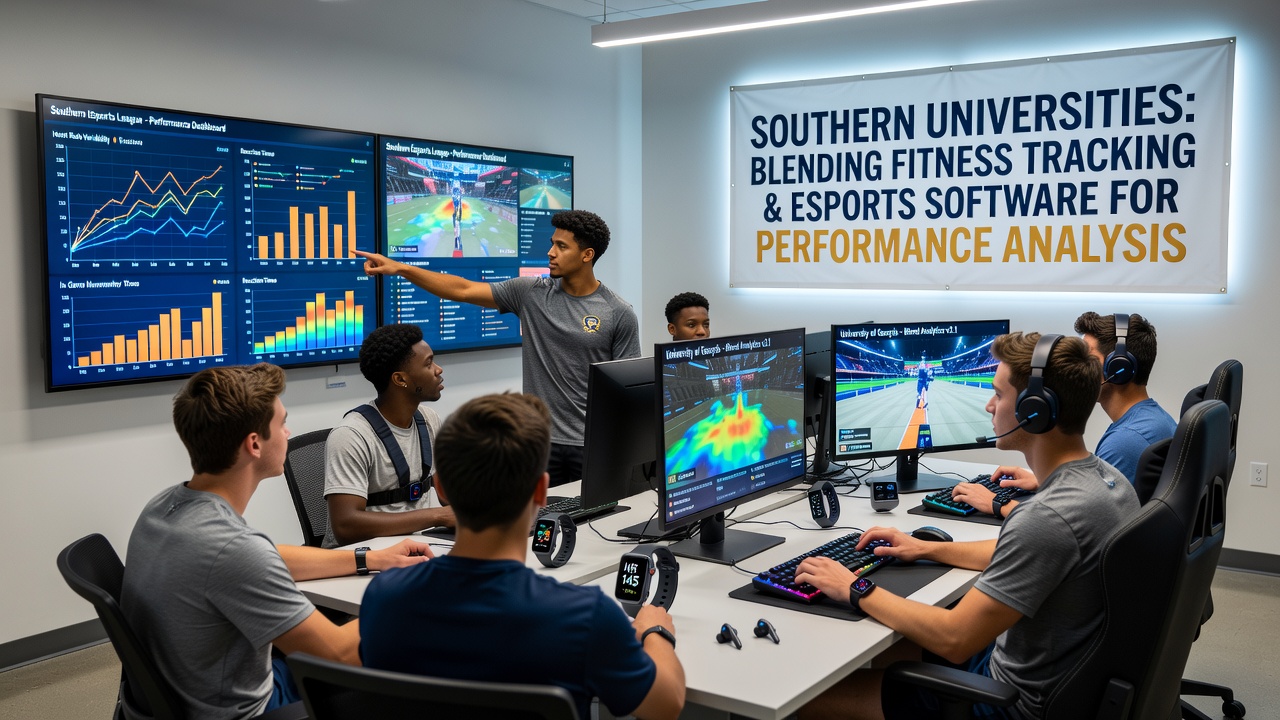
Southern universities have begun merging data streams from fitness wearables directly into esports training platforms, creating unified systems that monitor both physical exertion and in-game performance metrics. Programs at institutions across Texas, Florida, and North Carolina started these integrations in early 2025, with expansions reported throughout 2026 as new software modules rolled out. Observers note that the approach allows coaches to correlate heart rate variability, sleep patterns, and movement data with reaction times, accuracy scores, and session durations logged inside competitive gaming environments. Data flows from devices such as chest straps and wrist-based sensors into custom dashboards that already track kill-death ratios and strategy execution. Technicians at one Texas program configured application programming interfaces so that biometric readings update in real time alongside gameplay statistics, giving analysts a single interface rather than separate spreadsheets. By November 2026 several of these campuses had added automated alerts that flag when elevated stress indicators coincide with declining in-game decision speed.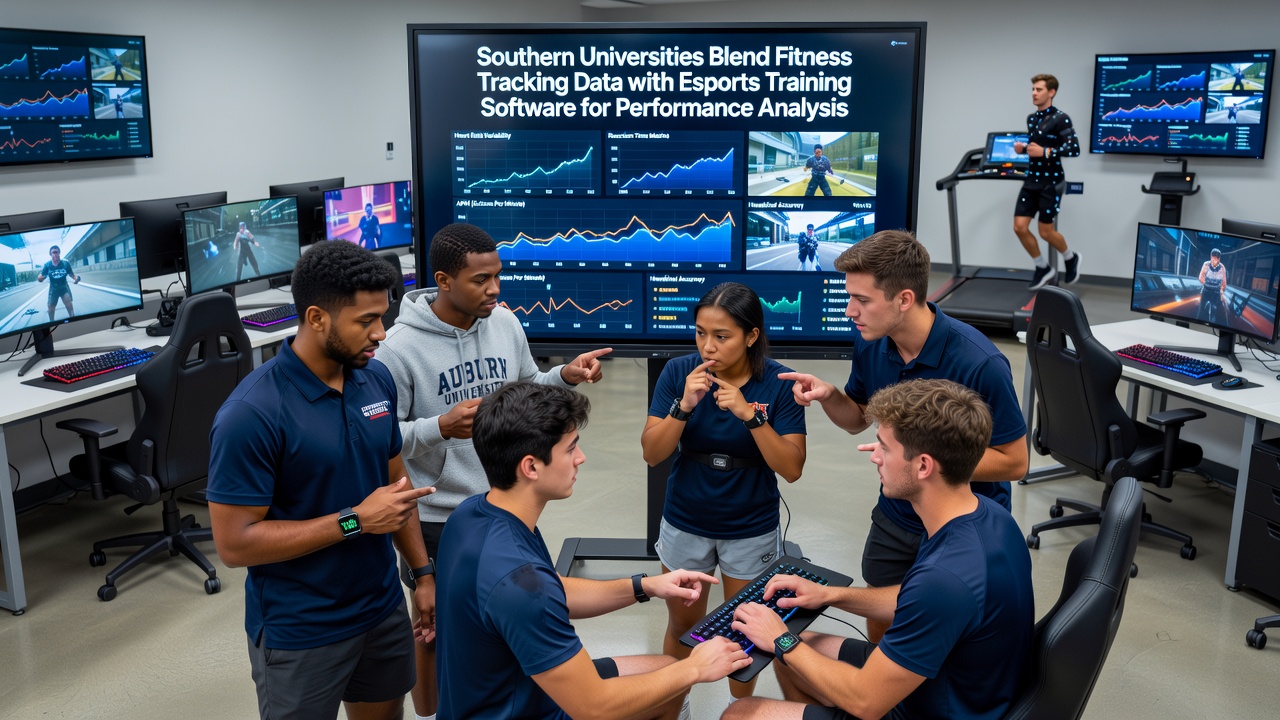
Southern universities have begun merging data streams from fitness wearables directly into esports training platforms, creating unified systems that monitor both physical exertion and in-game performance metrics. Programs at institutions across Texas, Florida, and North Carolina started these integrations in early 2025, with expansions reported throughout 2026 as new software modules rolled out. Observers note that the approach allows coaches to correlate heart rate variability, sleep patterns, and movement data with reaction times, accuracy scores, and session durations logged inside competitive gaming environments. Data flows from devices such as chest straps and wrist-based sensors into custom dashboards that already track kill-death ratios and strategy execution. Technicians at one Texas program configured application programming interfaces so that biometric readings update in real time alongside gameplay statistics, giving analysts a single interface rather than separate spreadsheets. By November 2026 several of these campuses had added automated alerts that flag when elevated stress indicators coincide with declining in-game decision speed.Integration Methods Across Campuses
Teams at Florida universities adapted existing esports management software by layering in open-source fitness data parsers, which pull information from consumer wearables without requiring proprietary hardware swaps. The resulting datasets let trainers examine whether players maintain consistent hydration levels during long practice blocks or whether late-night sessions correlate with next-day drops in focus. North Carolina programs, meanwhile, partnered with local engineering departments to build secure local servers that store both fitness logs and match replays, keeping all records on campus networks. These combined records support individualized training plans that adjust based on recovery metrics rather than game results alone. One study conducted across three southern institutions during the 2025-2026 academic year tracked 180 players and found that those whose schedules incorporated rest recommendations derived from heart-rate data showed steadier improvement in tournament qualification rates compared with control groups using game statistics only.Software Platforms and Data Handling
Commercial esports tools originally designed for schedule tracking now accept CSV exports from fitness applications through standardized connectors. Developers updated these platforms in mid-2026 to include visualization layers that overlay biometric trends on heat maps of player movement within virtual environments. Security protocols require anonymized identifiers so that personal health information stays separate from public performance leaderboards. Analysts at multiple campuses report that the merged datasets reveal patterns such as increased error rates when overnight sleep scores fall below established thresholds. Training staff then use that information to shift scrimmage times or insert active recovery periods between ranked matches. The process relies on existing campus IT infrastructure, which already handles research data from kinesiology departments, reducing the need for entirely new hardware purchases.